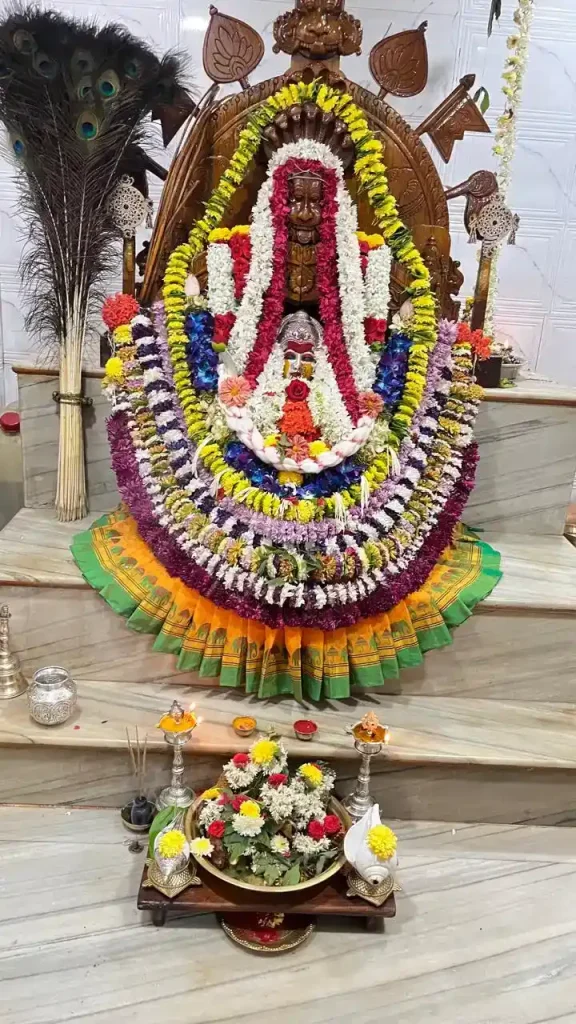
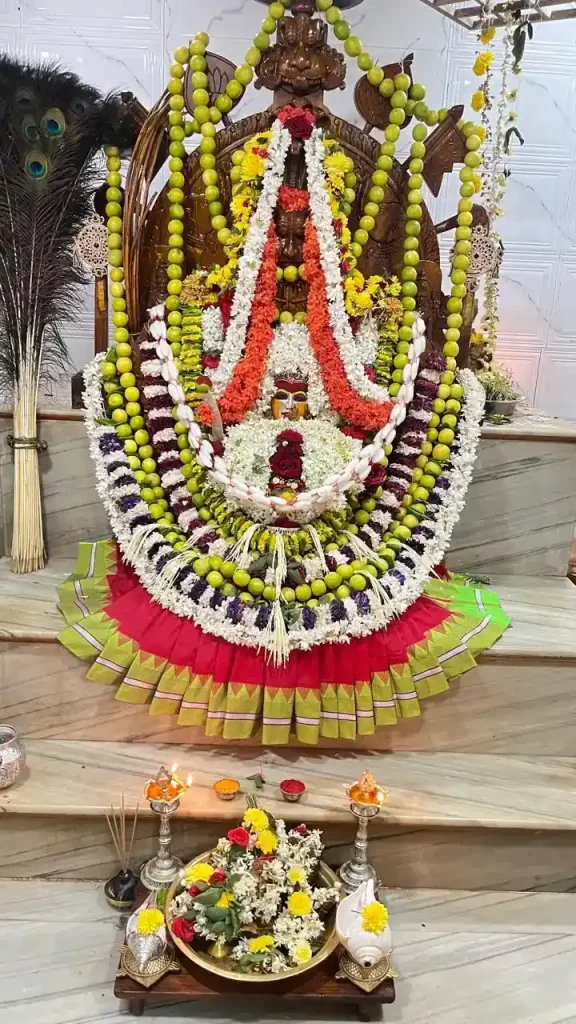
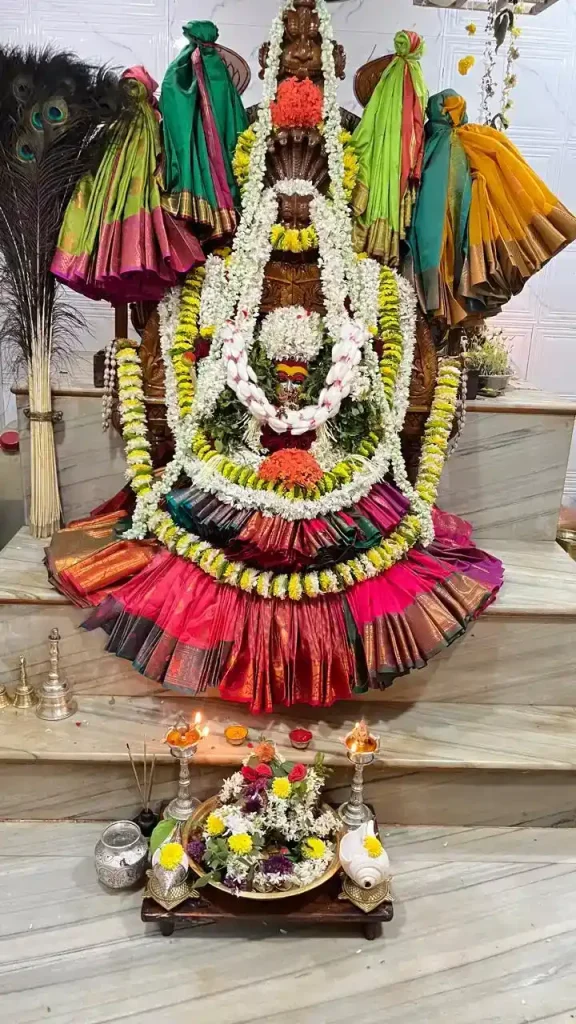
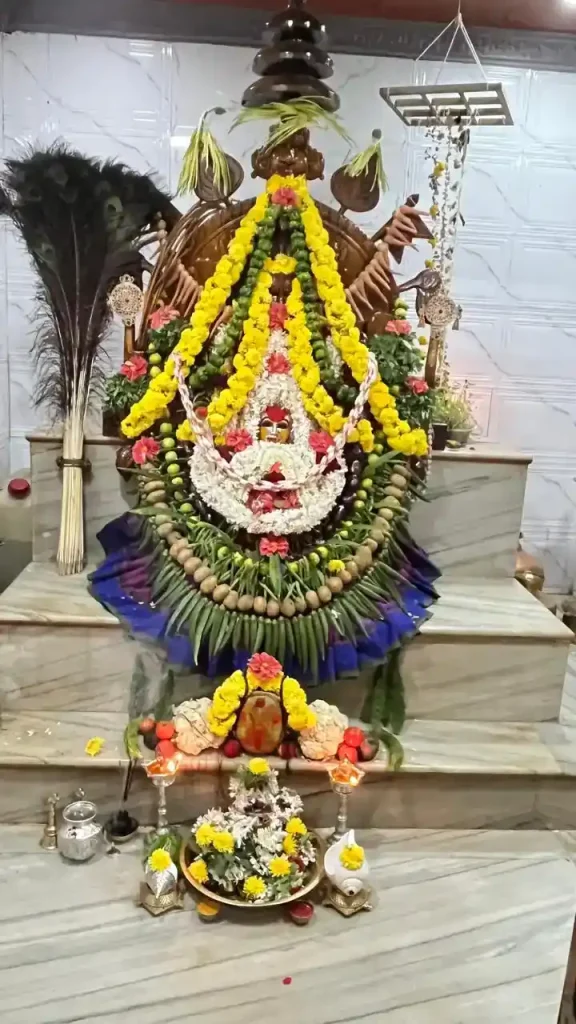
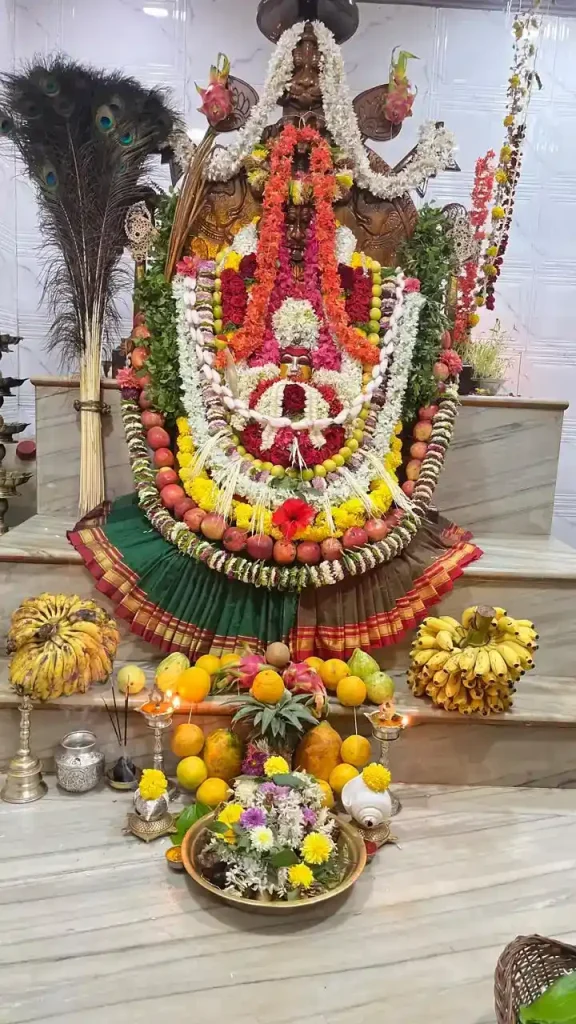
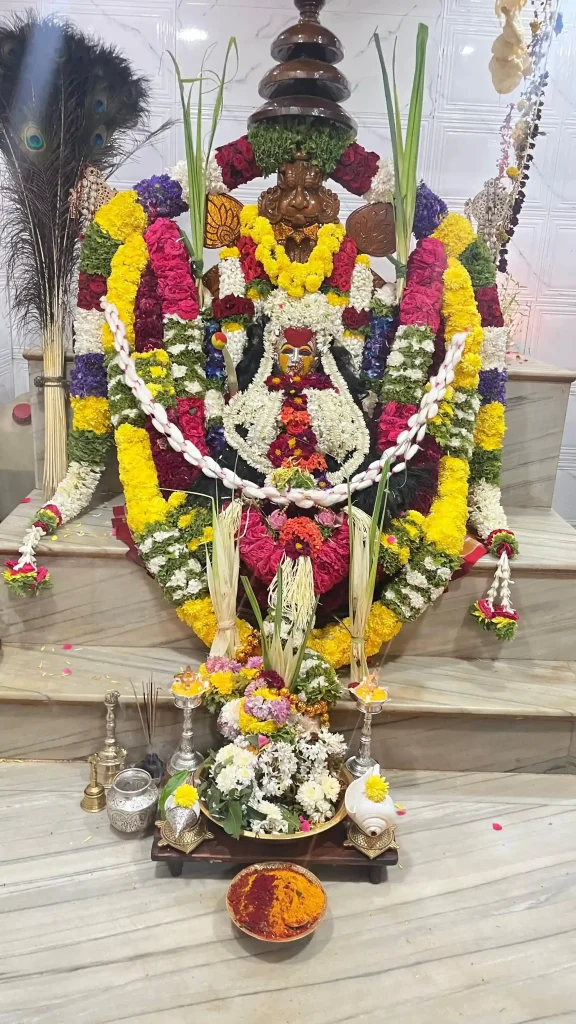
Navaratri
A Celebration of Shakti and Spiritual Awakening
Navratri – The Sacred Journey of the Divine Feminine
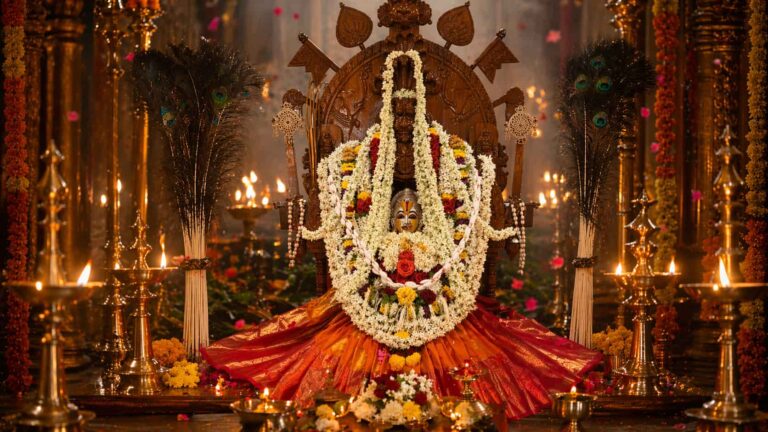
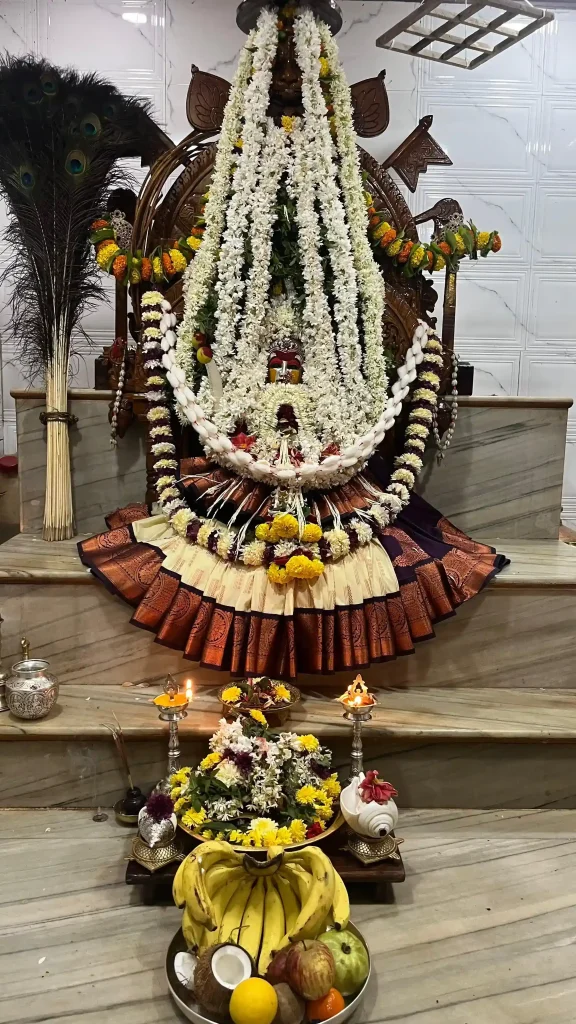
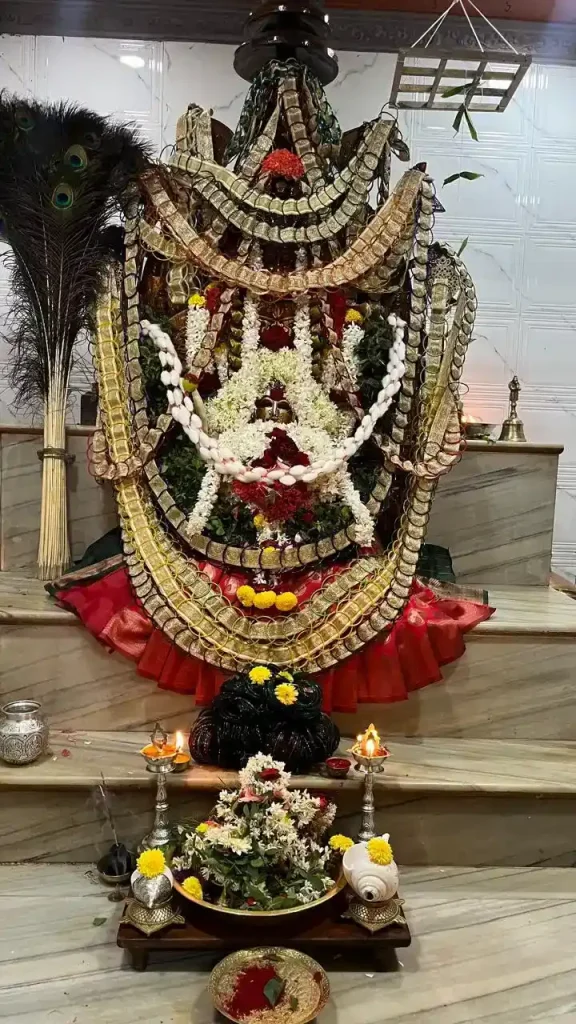
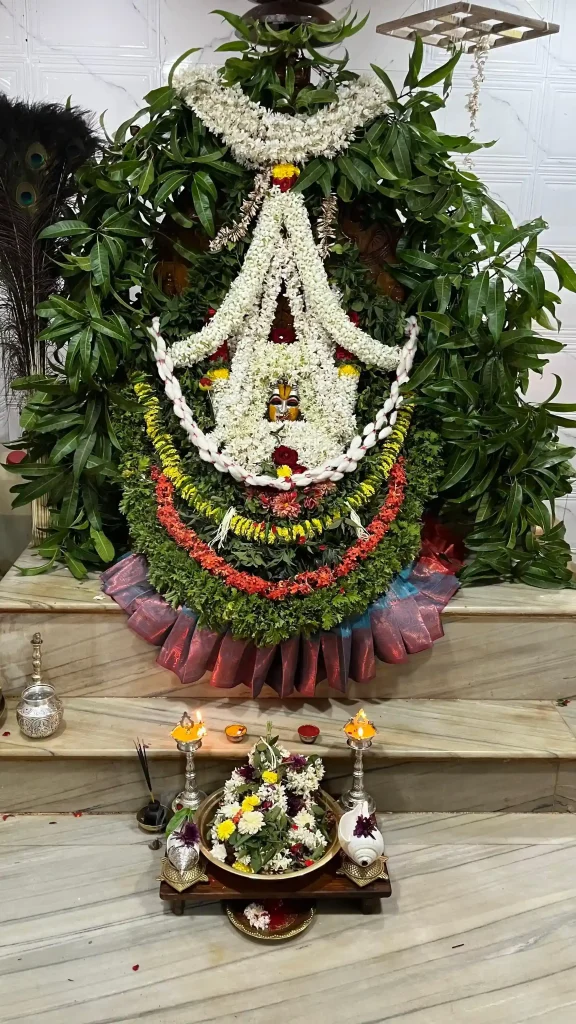
Navratri, meaning “Nine Nights,” is one of the most spiritually powerful and culturally celebrated Hindu festivals dedicated to the worship of Goddess Durga and her divine manifestations. Celebrated across India and around the world, the Navratri festival symbolizes the eternal victory of divine light over darkness, wisdom over ignorance, and good over evil.
Rooted deeply in Hindu tradition, the 9 days of Navratri are a sacred spiritual journey where devotees honor the Divine Mother through prayer, fasting, devotional music, temple rituals, dance, meditation, and inner reflection. Each day is dedicated to a unique form of Devi, representing different energies that guide the soul toward purification, strength, compassion, abundance, and spiritual awakening.
From vibrant Garba celebrations and sacred Durga Puja rituals to the lighting of lamps and chanting of ancient mantras, Navratri is more than a festival — it is a transformative experience of devotion, divine grace, and spiritual renewal.
Day 1 Maa Shailaputri
Symbolism & Mythology
Goddess of strength, purity, and new beginnings. Daughter of the mountains.
Associated Color
Yellow
Rituals & Traditions
Ghatasthapana, Durga Puja, offering yellow flowers and prayers.
Day 2 Maa Brahmacharini
Symbolism & Mythology
Symbol of devotion, wisdom, and spiritual discipline.
Associated Color
Green
Rituals & Traditions
Fasting, mantra chanting, and offering fruits and sugar.
Day 3 Maa Chandraghanta
Symbolism & Mythology
Represents courage, peace, and protection from negativity.
Associated Color
Grey
Rituals & Traditions
Bell prayers, Durga Stotra recitation, and special aarti.
Day 4 – Maa Kushmanda
Symbolism & Mythology
Creator of the universe, bringing energy, light, and positivity..
Associated Color
Orange
Rituals & Traditions
Offering pumpkins, lamps, and prayers for health and prosperity.
Day 5 – Maa Skandamata
Symbolism & Mythology
Symbol of motherhood, compassion, and divine blessings.
Associated Color
White
Rituals & Traditions
Worship with white flowers and prayers for family well-being.
Day 6 – Maa Katyayani
Symbolism & Mythology
Goddess of courage, power, and victory over evil.
Associated Color
Red
Rituals & Traditions
Kumkum Archana, red flower offerings, and Durga chanting.
Day 7 – Maa Kalaratri
Symbolism & Mythology
Fierce protector who destroys fear, darkness, and negativity.
Associated Color
Royal Blue
Rituals & Traditions
Night prayers, lamp offerings, and protection rituals.
Day 8 – Maa Mahagauri
Symbolism & Mythology
Represents purity, peace, and spiritual growth.
Associated Color
Pink
Rituals & Traditions
Kanya Puja, offering coconut, sweets, and pink flowers.
Day 9 – Maa Siddhidatri
Symbolism & Mythology
Bestower of wisdom, success, and divine blessings.
Associated Color
Purple
Rituals & Traditions
Maha Puja, Havan, and prayers for fulfillment and prosperity.
Nine Days • Nine Forms • One Divine Mother
Navratri celebrates the nine divine forms of Goddess Durga, symbolizing the triumph of good over evil, light over darkness, and strength through devotion. Each day honors a unique form of Devi and her divine blessings